


London is certainly one of the world’s most visited cities, home to iconic landmarks like Big Ben, Buckingham Palace, and the London Eye, as well as cultural hubs such as the British Museum and the National Gallery. Although most neighborhoods are very nice and quite comfortable, some are not as pleasant in terms of comfort, safety, and amenities, both for neighbors and visitors. Some neighborhoods (especially those near major tourist attractions) have problems with public order, a shortage of sleeping accommodations, and excessive pedestrian and vehicular traffic.
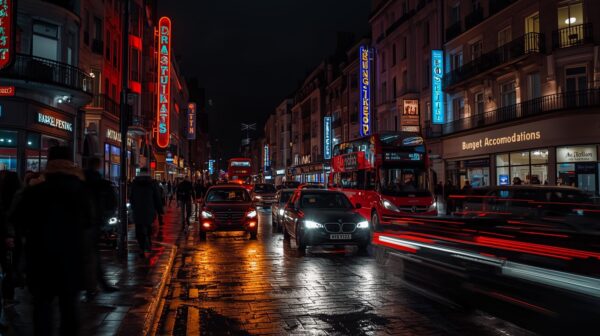
Being able to recognize which parts of the city to avoid can help travelers of all types enjoy their trips. This is especially true for students and short-term visitors who may have to rely on the London Underground. Based on safety, environmental factors, and general experience, the following are the most commonly mentioned areas where travelers and locals recommend taking more caution when choosing a place to stay.
1. Tower Hamlets
Tower Hamlets suffers from a high crime rate. There is a high incidence of violent crimes, auto crimes, and stabbings in some parts of the borough. The borough is notorious for its knife attacks. There is a high incidence of violent crime in the borough. The Bethnal Green, Brick Lane, Spitalfields Market, and Mare Street areas tend to be busy during the day but quiet and a bit risky after. The attractions draw many tourists to the area, but the risk of pickpocketing and violence at night increases, too.
There is a good Tube and London Underground connections; however, guests of the budget hotels and student accommodation in the borough may suffer from noise, overcrowding, and lack of security, such as poor CCTV coverage. Reports from the Metropolitan Police frequently highlight this borough as one requiring increased caution after dark.


2. Elephant and Castle
Located in South London, Elephant and Castle has also been redeveloped and continues to be a little concerning in terms of safety. There has been a longstanding reputation for gang violence and other nighttime disruptive behavior, as well as a high occurrence of street crime in the area. It’s among the worst places to stay in London. There is also close proximity to the South Bank Borough Market and public transport, but the fast-paced environment and large crowds of people are a bit too much for some, especially when close to transport hubs.
Accommodation options here are often cheaper, which attracts short-term visitors, but the trade-off can be exposure to poorly maintained buildings and a lack of consistent policing presence. Some visitors report feeling unsafe walking at night, particularly near underpasses and less busy streets.
3. Bethnal Green
Bethnal Green, also within Tower Hamlets, has a mixed reputation. Most of the crime exists around the Cambridge Heath Metro Station and the surrounding residential neighborhoods, including areas such as theft, street harassment, and assault.
To save on lodgings, tourists frequently overstay in this region, which is a considerable distance from the downtown, postcard, or main areas of London. Although London for Transport (TfL) provides major links, the area is not very safe, making it a poor choice for families or solo travelers – especially those unacquainted with the city.
4. Camden Market Area
This part of London is very lively, and Camden Market, in particular, is very popular. However, this area has its downsides, including high crime, especially in the summer. It’s among the worst places to stay in London. Camden is not the most crime-filled or dangerous area in London, but the area does have high police activity and crime in the summer.
Hotels and hostels nearby may experience noise issues well into the night. Travelers expecting a quiet stay near Regent's Park or Primrose Hill are often surprised by the constant activity and occasional security concerns.
5. South Bank (Certain Sections)
The South Bank includes attractions such as the Tate Modern and the Millennium Bridge. You can also find the London Eye, so it is one of the most popular spots in the city. Unfortunately, there is an issue with foot traffic, which attracts pickpockets and scammers. Theft and antisocial behavior become an issue during the later hours on Waterloo Station’s adjacent streets. Being near top attractions in London is a great travel perk, but not when it comes with the crowds, noise, and higher prices that cut into your travel budget.
6. Finsbury Park
Finsbury Park is not ideal. You will still run into some issues with public disorder and street crime, which have also been issues in the past. It is a transportation hub, so many people pass through the area, which creates opportunities for pickpocketing. Some visitors feel more nervous than others when it comes to walking around at night. This is especially true around the station exits and in some of the quieter residential streets. The park is great for a visit during the day. However, the area around the park is not the best if you are on a short trip.
7. City of London (At Night)
The City of London is a financial hub rather than a residential one. After business hours, many streets become deserted, which can feel uncomfortable for visitors. It’s among the worst places to stay in London. While crime levels are not the highest, the lack of activity at night can make travelers feel isolated. Tourists expecting nightlife near Trafalgar Square or Covent Garden may find the City surprisingly quiet and inconvenient, especially outside working hours.
8. Hammersmith & Fulham (Budget Areas)
Certain areas in Hammersmith & Fulham have good transport connections, but there are discrepancies in the quality of accommodation. Some of the more budget-friendly older hotels have received negative reviews regarding their cleanliness, and in some cases, bed bugs. It's true that there are no reported cases of violent crime, but low-quality hotels are Hammersmith and Fulham's dirty little secret and can lead to a negative experience.
9. Kensington & Chelsea (Misleading for Budget Travelers)
Kensington & Chelsea has the reputation of having high-end luxury accommodation, famous attractions, and other amenities, such as proximity to museums and Buckingham Palace. However, there is a stark contrast with some of the budget accommodation that can be found in the borough. Many of the region's inexpensive hotels are situated in prime locations and are low in quality. It’s among the worst places to stay in London.
There are consistent reviews of unkempt rooms, outdated hotel interiors, and a lack of soundproofing. Some reviews state that the hotels have poor security features, such as no security cameras. These hotels are situated in a high-tourist area, where people assume a hotel will be safe and comfortable, which is a major factor in complaints about theft and price gouging. It is a shame that people expect to find value accommodation in these areas when that is not the case, especially when there are cheaper places with better-quality accommodation.
10. Belgrave Road and Surrounding Streets
There is a concentration of cheap hotels and guesthouses on Belgrave Road. These places are cheap, which makes them appealing to budget-conscious tourists. However, properties are often reported to be unclean and unorganized, and staff service is lacking. Bed bugs, subpar ventilation, and dim lights are common reports. Even though public transport is convenient and the London Underground is near the hotels, the accommodations are of poor quality and unworthy of the often high price. The high price of cheap hotels can make accommodation a gamble, and for those who arrive late, the area's quietness can be unsettling.
12. Broken Wharf and Isolated Riverside Areas
Places like Broken Wharf (right next to the River Thames) can mislead travelers because it seems so peaceful during the day, and the environment is calm and scenic. Still, it is actually really quiet once the sun goes down. It can give off an isolated feeling; the environment has limited foot traffic, businesses are closed, and there are long-distance walks from the main attractions. It’s among the worst places to stay in London. Those who are staying at places like Locke at Broken Wharf have at times reported feeling slightly uneasy in the dark, especially when walking back after being out at tourist spots like the South Bank or the City of London. This isolation is especially true for people who are solo traveling or traveling to London for the first time.
What Travelers Often Regret After Booking the Wrong Area
- Choosing location over comfort: Some travelers complain that staying close to iconic sites such as Big Ben, Covent Garden, or the London Eye is not the best option, as it is overly crowded all the time, and guests have to deal with late-night noise and lack of sleep, although the location is very central.
- Ignoring the surrounding environment: Areas around the very busy London underground and nightlife are usually fine places to stay during daytime, but they can get very uncomfortable at night because of noise and general chaos.
- Not researching accommodation quality properly: Some budget and older buildings look fine on the internet, but lack proper upkeep and have issues with thin walls, inadequate security, and cleaning. Sometimes these issues become very apparent right after check-in.
- Underestimating transport congestion: Staying close to very busy tube lines and transport hubs can make daily travel feel worse instead of better because of all the overcrowded lines and lengthy travel times.
- Overpaying for location without added value: A lot of travelers pay for a central location and then regret it because the area offers no better comfort, safety, or amenities than other, more peaceful, more suburban, or upgraded neighborhoods.
Conclusion
London offers incredible experiences, but choosing the wrong place to stay can significantly affect your trip. Not all London neighborhoods provide the same safety and comfort visitors expect. Some neighborhoods have higher crime rates, lower-quality accommodations, and louder nightlife. All of these issues can make your stay in London very unpleasant. Finding the right neighborhood can save visitors lots of unnecessary work and help them get the most out of the city.