


Saudi Arabia immigration has become an important topic for people who are exploring opportunities in the Gulf region. The Kingdom of Saudi Arabia (KSA) is known for its strong economy, cultural heritage, and ambitious Vision 2030 for growth, which makes it a destination of interest for professionals and families worldwide. Many are drawn to the chance of building a career in expanding industries, including crude oil, renewable energy, and space technology, experiencing a unique lifestyle, and benefiting from a tax-free income.
At the same time, moving to Saudi Arabia requires careful preparation and awareness of the country’s rules, regulations, and the Residence Regulations. Understanding the available pathways can make the journey smoother and help newcomers settle with confidence. This guide will walk you through the essentials and highlight the opportunities waiting for immigrants and foreign nationals.
Entry Requirements
Saudi Arabia's visa policy requires all foreign nationals to apply for entry visas based on the purpose of their trip. Saudi Arabia does not require a visa for citizens of the following nations: Bahrain, Oman, Kuwait, and the United Arab Emirates. Certain nationals can therefore apply for an electronic visa or visa upon arrival, which is good for a maximum of ninety days. All EU member nations allow passport holders to get visas on arrival. Nationals from these countries can apply online.
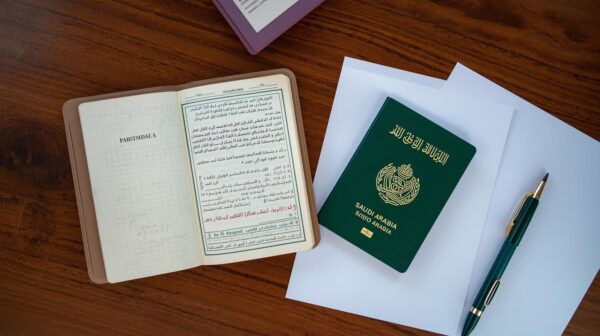
Regarding the e-visa policy, approximately 59 sovereign states are eligible. Citizens of the USA, Canada, and the UK are also eligible to apply for a Saudi e-visa/visa on arrival. The government established the e-visa program to make it easier for short-term travelers to obtain visas rather than going through the lengthy application process at embassies, which takes longer. This type of visa, often known as an online visa, is primarily intended for travel and permits a 90-day stay in the Kingdom of Saudi Arabia. The application can be completed online, and if approved, the e-visa will be given to the applicant's email address. However, fulfilling the requirements, such as presenting a passport, police report, or other supporting documentation, is a crucial step in the procedure. You must apply for a visa at the Saudi embassy if you are not from one of the GCC or qualifying e-Visa nations.

Types of Saudi Long-Stay Visas
A long-term visa allows the holder to enter Saudi Arabia for stays longer than ninety days. The most frequent categories of this visa are work, student, and Premium Residency permit.
1. Saudi Work Visas
A work visa is awarded for full-time work in Saudi Arabia, and the applicant must produce a contract of employment from the employer. During the application procedure, the applicant may be required to provide a medical report or a certificate confirming their qualifications. Here are the different types of Saudi work visa:
Temporary work visa
If you are considering a brief stay in the Kingdom, such as a project-based assignment or consulting job, this is the visa to take. With a 90-day validity period, you can get a feel for the Saudi workplace without committing to anything long-term. A work offer from a Saudi enterprise and fulfillment of the general visa requirements are prerequisites for eligibility.
Employment visa
You will require this visa if you have a permanent employment offer in Saudi Arabia. It typically lasts one to two years, though it may be extended if you stay employed. So it’s perfect for Saudi Arabia immigration. To apply, you must have a job offer and your employer's Certificate of Eligibility (CoE). Consider the CoE to be the Saudi government's pre-approval that your expertise is required in the Kingdom.
Highly Skilled Professional Visa
If you're a top talent with great credentials and expertise, this visa could be your ticket to Saudi Arabia. It is intended for top talent with a route to the permanent residency scheme under the Premium Residency program. Longer validity, simpler family sponsorship, and even a route to permanent residency are just a few of its advantages. You must accumulate a specific number of points depending on your education, employment history, and income in order to be eligible.
Intra-Company Transfer Visa
This visa is for employees of international corporations who are being transferred to their Saudi office. It makes it easier for corporations to relocate their existing personnel to the Kingdom. To be considered, you must have worked for the company without residing in Saudi Arabia for at least a year.
2. Saudi Student Visa
International students admitted into Saudi Arabia's reputable universities or other educational establishments are eligible to apply for a long-term Saudi Student Visa. Students who have this visa can stay in the Kingdom lawfully for the duration of their studies. It’s perfect for Saudi Arabia immigration. Instead of a family member or employer, an educational institution sponsors the Saudi student visa. Students must adhere to the rules established by the university, which include those pertaining to attendance, academic ability, residence regulations, and visa renewal.
3. Saudi Arabia Premium Residency
The Saudi Green Card, also known as the Saudi Premium Residency program, allows investors, entrepreneurs, and skilled workers to live, work, and own real estate or enterprises in Saudi Arabia. This permanent residency scheme is intended to attract investors, entrepreneurs, talented individuals, and skilled professionals who wish to live in Saudi Arabia. They are intended for outstanding experts who can support the expansion of local capabilities and the sharing of knowledge, and they must seek to foster both cultural and economic interchange. Applications are processed via the National Unified Platform for Premium Residency.
Documents Required for Saudi Arabia Visa Application
- Saudi Arabia application form
- A valid passport
- Passport-sized pictures
- Proof of sufficient funds
- Travel itinerary
- Proof of employment
- Any additional documents required for visa categories or visa classification
How to Apply for a Saudi Arabia E-Visa
You must apply via the KSA visa platform or Saudi Arabia's official tourist website if you qualify for an eVisa. Applying for an eVisa to Saudi Arabia is a rather easy and direct process. You must:
- Visit the website for the eVisa application.
- Select the “Apply Now” option.
- Fill out the application for a Saudi visa.
- Pay the MRV fee
- Await the processing of the eVisa, which should take no more than half an hour.
When you arrive at the Saudi Arabian airport, immigration will verify your visa before granting you entry. Other unofficial websites offer to process Saudi Arabian eVisas. While some are authentic, some may not be, so be cautious when applying. In addition to the eVisa price, there is an extra service charge if you apply via one of these websites.
How to Apply for a Long-Stay Saudi Arabia Visa
- If you are not eligible for a Saudi eVisa, you must apply at the nearest Saudi Embassy or Consular post.
- When you apply at any Embassy or Consulate, the consular officer will ask you to provide a number of supporting documents.
- You will most likely need to present in person, though certain offices may accept visa applications via mail or an authorized travel agency.
- You must wait 1-4 weeks after submitting the full application for it to be processed, though this could take longer depending on the particular Embassy or Consulate.
- You can pick up your Saudi visa during the designated pick-up hours once your application has been processed.
As each Embassy or Consulate may have its own policies and procedures, it is usually best to get in touch with them first. You will find out about their opening hours, special requirements, and whether you need to schedule an appointment.
Saudi Arabia Visa Fees
Depending on the kind of visa required to enter Saudi Arabia, the cost may vary. Unless otherwise indicated, the processing fees are included in the visa fee. Additionally, be aware that the fee is non-refundable, meaning you won't get your money back if your application is denied.
- Saudi student visa ranges from $100 to $500
- Saudi work visa ranges from $100 to $1000
- Residence visa ranges from $500 to $2000
Tips for Saudi Arabia Immigration
Here are some essential facts regarding Saudi Arabia and the eVisa.
1. Apply at the right time: It is usually advisable to apply for the visa at the appropriate time. Avoid applying too early because the visa becomes active and effective as soon as it is approved. You should apply for it 3 to 5 days before the day you intend to go, just to be safe.
2. Avoid the Holy Sites: Saudi Arabia is the Islamic citadel and the location of the sacred sites of Madina and Makkah. These cities contain sacred places like Al Masjid Nabawi or the Prophet’s Mosque in Medina, which are only accessible to Muslims. It is against the law to visit these sites if you are not a practicing Muslim.
3. Respect the Local Laws: Saudi Arabia is an intensely religious society, as one would expect given its status as the birthplace of the Prophet Muhammad. As a foreigner in the country, ensure that you follow the local laws under the Sharia courts. For example, alcohol is forbidden, and persons of opposing genders are not permitted to hold hands in public. To avoid making mistakes, familiarize yourself with the country's cultural and religious taboos before you go.
4. Use only Approved Routes: Nature and war can make Saudi Arabia's surrounding borders inhospitable, particularly the Yemeni Border. If you must travel to the Gulf countries, use approved routes to comply with residence regulations and avoid immigration detention issues. This is true for e-Visa holders, who are only permitted to enter the country through certain seaports and land borders. This will safeguard you while also ensuring that you follow the law.
Key Considerations for Migrant and Foreign Workers
Saudi Arabia relies heavily on migrant workers and foreign workers. Systems like the Kafala system govern employment and residency, while platforms such as Ajeer facilitate work permits. Attention to human rights standards, as reported by Human Rights Watch and the International Organisation for Migration, is essential, particularly for trafficking victims, detention centers, or detention facilities. Specific groups, such as Ethiopian migrants or Pakistani labour, require awareness of the local legal framework.
Conclusion
Saudi Arabia immigration offers a pathway to professional growth, personal discovery, and premium residency under programs aligned with Vision 2030. The process may seem complex at first, but with the right knowledge and preparation, it becomes a rewarding experience. By understanding the roles of the Ministry of Interior and the General Directorate of Passports, and the legal frameworks such as the Residence Regulations, newcomers can navigate the process successfully. Whether through work, study, or foreign nationals' investment programs, settling in the Kingdom opens opportunities for economic and personal advancement in the Arabian Peninsula.