

The question “Is Google Pixel better than iPhone?” has indeed ignited a fiery debate among fans of technology and everyday users worldwide. On one hand, the Pixel 9, Pixel 10, and the eagerly-awaited Pixel 10 Pro series push the boundaries of innovation; on the other hand, Apple's iPhone 16 and iPhone 17 continue to be the best in the market with their technology, design, and camera. The first step in choosing the right phone is to make a thoughtful evaluation of the battery life, software ecosystems, AI and machine learning abilities, and camera features of the two phones.
This could be Google's Night Sight feature, the introduction of Dynamic Island on the iPhone, and the benefits of the Apple Ecosystem. Google's Android OS, combined with features such as Magic Eraser and Google Assistant, is in stark contrast to Apple's latest iOS 26, Apple Care, and interaction with gadgets like Apple AirPods Pro 3 and Apple Pencil, making the choice very much dependent on the individual's needs.
Comparing Google Pixel and iPhone: Features, Performance, and Value
1. Design and Build Quality
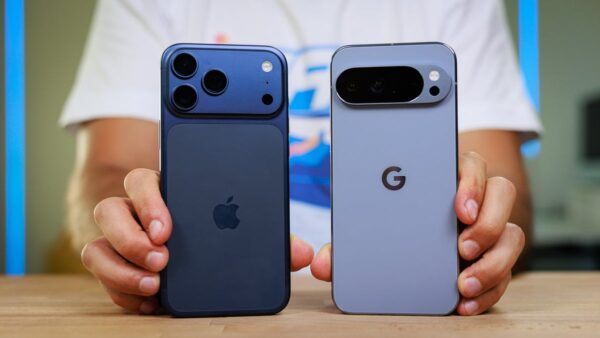
To answer the question, is Google Pixel better than iPhone?, we need to look at the specs. Google Pixel phones like the Pixel 10 Pro and Pixel 10 Pro XL have liquid glass backs, durable frames, and user-friendly designs that feel premium in hand. Apple gadgets with their Apple Silicon, shiny exteriors, and OLED displays look great and very sturdy.
For the most part, Pixels highlight simplicity and functional beauty, whereas iPhones give a luxurious feel and balanced weight. The quality of build affects how long a device lasts, and greatly impacts the efficiency of wireless charging and the comfort of holding it. The foldable models, such as the Pixel Fold and Pixel 9 Pro Fold, present new forms of usability; on the other hand, Apple remains very much committed to traditional shapes. Long-term use largely depended on the materials, weight, and durability of the screen.
2. Display Technology
Display quality plays a big role when deciding on a smartphone. Google's AMOLED displays in the Pixel 10 series and Pixel 9 Pro XL boast gorgeous, vivid colors as well as Material 3 Expressive customization. In contrast, iPhones, notably iPhone 16 Pro Max and iPhone 17, feature OLED Actua screens that guarantee accurate color rendering and high brightness levels.
Pixels come with Night Sight, which enables photography in the dark and improves display visibility when editing photos. Apple devices offer the Dynamic Island that supports and integrates notifications in a very unobtrusive manner. Both ecosystems are equipped with features like high refresh rates, HDR content, and color gamuts. Besides screen size and resolution, placing the camera lens in certain spots can also change the level of immersive viewing through media consumption, as well as performing an array of productivity tasks.
3. Camera and Photography
Experts weigh in on whether the Google Pixel is better than the iPhone for photography. Camera quality plays a big role in whether people choose to buy a certain Pixel phone, like the 10 Pro and 9, thanks to machine learning coupled with the new Night Sight, Magic Eraser, and AI-driven features. iPhone 15 and 16 Pro Max models offer SuperRes Zoom, a 5x Telephoto lens, and use computational photography to produce the most natural images.
Pixels perform better at night and also get enhancements through AI innovations. But iPhones provide the most accurate colors and are packed with advanced video features. Both companies have camera lens screen protector offerings. If you are after photography, then you should factor in all types of work, night mode, photo editing software, and hardware sensors.
4. Battery Life and Charging
Is the question, is Google Pixel better than iPhone? depends on usage. Battery Life is a very important parameter for daily usability. Pixels such as Pixel 10 Pro XL use Silicon-carbide batteries, which are further AI-optimized for power efficiency. On the other hand, Apple's iPhone 16 Pro and iPhone 16 Pro Max offer longer battery life thanks to Apple Silicon. They both have the ability to charge wirelessly, but generally, Pixels are capable of delivering faster top-ups with AI-managed battery usage.
Battery life depends on many factors, such as usage of storage, screen brightness, and processor efficiency. Apple is concentrating on iOS 26 software optimization, whereas Pixels are coming with the integration of Android 16 and Tensor G2 processors. Those who extensively use features like photography, streaming, or apps like Google Photos would find battery stability very important.
5. Software and Ecosystem
Software and ecosystem significantly influence the iPhone vs Google Pixel conflict. Pixels are powered by Android 16 and offer excellent integration with Google Assistant, Google Drive, Google One, and G Suite apps. iPhones are running on iOS 26, which allows great continuity with Apple Care, Apple AirPods Pro 3, Apple Pencil, and the wider Apple Ecosystem.
Differences in AI features, update frequency, and security are among the factors that distinguish the two sets of platforms. For instance, Magic Eraser and Night Sight are Pixel's AI features; iPhone users can use Vision Pro and Face Unlock. The decision depends on whether users are mostly considering open customization and access to Google services, or closer integration with Apple hardware.
6. Performance and Processing
Your needs will determine if is google pixel better than iPhone?. Pixel phones come with Tensor G2 chips specifically designed for AI and machine learning. This helps enhance photography, voice recognition, and multitasking. On the other hand, iPhones use Apple Silicon, which not only delivers excellent performance but also ensures the smooth functioning of apps, gaming, and video editing.
Even though both devices are capable of handling heavy tasks, Pixels do AI acceleration and software-driven enhancements through hardware. Features like storage options, how apps run in the background, and AI in apps such as Google Photos or AR tools are some of the things that change user experience. For productivity, editing media, and multitasking, Apple's iPhone 16 Pro and iPhone 16 Pro Max offer reliable sheer speed. By contrast, Pixel devices are remarkable in AI-powered automation and smart task management.
7. Security and Privacy
Security differs across platforms. iPhones feature Face Unlock, robust encryption, and a closed ecosystem limiting app permissions. Pixels integrate Google's security stack, Fingerprint readers, and AI-powered threat detection. Apple's ecosystem includes features like Apple Care and system-wide protections.
However, Google emphasizes device-level AI protections and prompts Android security updates. Privacy-conscious users may prefer Apple's walled garden, but Pixel offers flexibility for power users who prioritize AI-driven security and cloud-based backups. Both brands support Google Account or iCloud integration, but their approaches to tracking, app permissions, and biometric security differ.
8. AI and Machine Learning Features
Pixels incorporates machine learning to offer various AI-boosted features. These features include photography, predictive text, Magic Eraser, and Google Assistant workflows. iPhones follow AI processing, with other apps, such as Vision Pro, computational photography, and Dynamic Island, being important features. In the AI field, Google pushes for automation and personalization, while Apple focuses on a truly integrated AI experience across devices and services.
Those who mainly use AI for productivity, intelligent camera, and voice commands will be able to find each ecosystem's particular strong points. Google's Night Sight and AI photo editing reveal a different picture of the two players in the digital lifestyle changes that Apple ecosystem-driven AI enhancements are also a part of.
9. Storage, Connectivity, and Accessories
Reviewing the storage will help decide if the Google Pixel is better than the iPhone. Pixels support USB-C, Google Home, and other Google-connected devices, whereas iPhones are a perfect match with Apple AirPods Pro 3, Apple Pencil, and the whole Apple Ecosystem. Storage sizes, cloud backups such as Google Drive or iCloud, and wireless connectivity influence the level of usability.
Accessories such as camera lenses, screen protectors, and wireless chargers improve user experience. Foldable Pixels, for example, Pixel Fold or Pixel 9 Pro Fold, offer additional freedom; on the other hand, Apple stays with the classic form factors and a consistent compatibility with accessories. Consumers need to take into account the ecosystem, connectivity, and expansion options when deciding between platforms.
10. Foldable Phones and Innovative Designs
Google is leading innovation in foldable phones with devices like the Pixel Fold and Pixel 9 Pro Fold, offering larger displays in a compact design. Foldable Pixels feature multitasking, media viewing, and productivity being taken to a whole new level, and still, the phones are portable. Apple is yet to come out with foldable devices; instead, their attention is on the larger iPhone 16 Pro Max and iPhone 17 with Liquid Glass screens.
If a user loves experimenting and has a future-proof design in mind, the Pixel foldables would be a good pick. Screen protection, hinge durability, and AMOLED display performance are the most important factors. And these designs demonstrate Google's move towards innovation in Android phones compared to Apple's time-honored approach.
11. Google Services vs Apple Ecosystem
Many users ask is Google Pixel better than iPhone? before switching. One major difference is ecosystem integration. Google Pixels utilize Google Photos, Google Drive, Google One, and Google Assistant to offer users AI-powered tools and cross-device flexibility. Apple's Apple Ecosystem, which also includes AppleCare, iCloud, Apple AirPods Pro 3, and Apple Pencil, creates a seamless connection among iPhones, Macs, and iPads.
Apple's features, such as Dynamic Island and Face Unlock, are very much a part of the Apple devices, while Pixel's Night Sight and Magic Eraser highlight AI-assisted workflows. The choice boils down to whether users prefer AI tools and open customization with Google or want the cohesive, reliable experience of the Apple ecosystem.
12. Future-Proofing and Software Updates
Long-term support and updates are very important. For example, Pixel phones, including Pixel 10 Pro XL and Pixel 10 Pro, are getting Android 16 update with new AI and machine learning features; meanwhile, iPhones such as iPhone 16 Pro, iPhone 16 Pro Max, and iPhone 17 are utilizing iOS 26, which offers stability and longer device endurance.
Google is putting more emphasis on AI and camera features over time, whereas Apple is concentrating on updating the whole ecosystem, security, and making software last longer. Those planning to get gadgets over the next 4-5 years should definitely factor in update schedules, AI workloads, app compatibility, and support for future AI and foldable features so devices stay up to date.
Conclusion
Choosing between the Google Pixel and iPhone depends on priorities. Pixels, including Pixel 10 Pro XL and Pixel 9, excel in AI, Night Sight, and Android customization, while iPhones like iPhone 16 Pro Max and iPhone 17 shine with Apple Ecosystem, Face Unlock, and polished performance. Battery, camera, software, and ecosystem integration are decisive factors. Both platforms offer premium devices, but the best choice depends on whether users prefer AI-powered Android features or the cohesive Apple experience.