

Are you considering leaving your home country for a new adventure? Or have you always wanted to immerse yourself in a new culture, language, and life in a lively European country? If so, you might want to immigrate to Belgium. Located in the middle of Europe, Belgium is a country where rich history meets modern comfort and ease, a synthesis of culture and architecture, history and natural beauty. Whether exploring the lively streets of Brussels or wandering through the quaint canals of Bruges, there is something for everyone in Belgium. Let's guide you through the process of making Belgium your new home, covering everything from visa requirements to finding accommodation and getting settled.
Why You Need to Immigrate to Belgium
- Strong job opportunities in EU institutions and international companies.
- High-quality healthcare system accessible to residents
- Central location in Europe with easy travel to France, Germany, the Netherlands, and Luxembourg
- A multilingual environment that helps global career growth
- Good salaries compared to the cost of living in many sectors.
- Strong social security and worker protection system
- High standard of education for students and families
- Stable economy and safe living environment
- Opportunities in tech, engineering, logistics, and healthcare sectors
- Pathways to permanent residency and EU long-term benefits
- Rich culture and a diverse international community
- Work-life balance with strong labor laws and paid benefits
- Easy access to the EU market for business and entrepreneurship
Belgium Entry Requirements
EU nationals can enter Belgium without a visa. Additionally, certain non-EU countries have unique visa waiver schemes for short-term visits. Reach out to the Belgian Embassy closest to you to determine the type of visa you require. The closest Belgian Embassy or consulate must receive all visa applications before you arrive in Belgium.
Two application forms are available: one for long-term visas and another for short-term visas (up to 90 days). Depending on the reason for your visit, several supporting documents are needed in addition to your current passport. Non-EU citizens moving to Belgium must have a long-term visa.
Top Reasons to Immigrate to Belgium
- Strong and stable economy: Belgium has a strong economy that consistently attracts skilled workers, particularly in health care, technology, logistics, and international organizations, offering competitive salaries and protective employment regulations.
- High quality of life: Residents experience a high quality of life due to universal health care coverage and access to health care services, high-quality public education, public transit, a secure environment in cities, and health-balanced workweeks.
- Strategic location in Europe: Belgium’s central position allows easy access to major European countries, making it ideal for business, travel, and cross-border career opportunities.
- Family-friendly social system: Belgium has a welcoming social policy toward immigrants, including child benefits, parental leave, and unemployment benefits, which help support families.
- Multicultural and inclusive society: Belgium’s diverse population and multilingual environment make integration easier for newcomers and support a welcoming settlement experience.
Ways to Immigrate to Belgium
Here are the different ways through which foreign nationals can immigrate to Belgium.
1. Moving to Belgium for Work
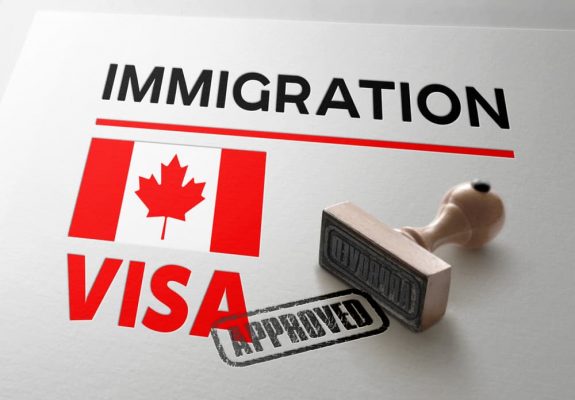
As a foreign National, you can immigrate to Belgium based on work, but you must have a work permit and a job contract with a Belgian employer. This rule applies to citizens of countries other than the European Union, Iceland, Switzerland, Liechtenstein, and Norway. You need to apply for a work permit to live and work in Belgium if you are not a citizen of the EU or EEA. You must first apply for a long-stay visa to enter Belgium, and then, while there, you must apply for a work and residence permit. Here are the different types of work permits.
Work permit type A: This work visa is only available to foreign workers who have held a type B permit for four of their ten years in Belgium. The validity of Type A permits is indefinite.
Work permit type B: For this type B permit, your Belgian company must apply on your behalf for a specific post (which cannot be filled by an EU national or Belgian)
Work permit type C: If you are a temporary traveler or asylum seeker with a non-permanent right to stay in Belgium and want to work there, you will require a type C permit. It is valid for a maximum of one year. You can learn more about the work visa requirements in Belgium here.
2. Moving to Belgium to Study
If you are a foreign student wishing to study abroad, Belgium provides an excellent educational system with low tuition. You can also study English, German, Dutch, or French. You need a student visa if you are an international student from a country that has no visa agreement with Belgium. You do not need to apply for a Belgian student visa if:
- You are an EEA or EU citizen.
- You reside in a Schengen nation.
- You're from the United States, Monaco, the Republic of Andorra, Japan, New Zealand, and Australia. After entering Belgium, citizens of these nations can apply for a residence permit directly.
3. Moving to Belgium for Family Reunion
You can immigrate to Belgium easily through the family reunification process. If you're not a citizen of the EU or EEA, you will require a dependent visa to join any family member in Belgium. A dependent visa, sometimes called a family visa, enables you to visit a close relative who resides in Belgium. If you fulfill the requirements and present the necessary documents, the Belgian immigration authorities will approve your right to family reunification.
You don't need a Belgian visa to visit your relatives in Belgium if you're from the EU/EEA or Switzerland. However, you must visit your town hall or local government office to register and obtain the residency card. The following family members are eligible for a family reunion visa in Belgium:
- Your civil partner or spouse.
- Your unmarried dependent children who are at least 18 years old.
- Adult children who rely on you because they have a mental or physical disability.
Documents Required for Visa Application
To apply for a Belgian visa, third-country nationals must have the following travel documents:
- Belgium visa application form
- A valid passport
- Passport-size photographs
- Copies of previous visas
- A cover letter
- Language preference form
- Proof of accommodation
- Proof of sufficient financial means
- Proof of civil status
For your student visa, you'll need:
- Student visa application form
- Health insurance
- Proof of admission into a Belgian institution
- A supporting letter
- Proof of English language proficiency
- High school diploma
- Proof of non-criminal conviction
For your family visa, you'll need:
- Proof of family relationships
- Birth certificate
- Medical certificate
- Proof of accommodation
- Marriage certificates
- Health insurance
For your work visa, you'll need:
- Work permit
- Employment contract
Unless the documents are in English, Dutch, French, or German, a professional translator must translate them. In certain situations, the documents may also need to be apostilled or legalized.
How to Apply for Your Belgium Visas
To obtain a Belgian visa, you must apply at the Belgian Embassy/Consulate in your country of residence or home country. You should begin the application procedure at least one month before you plan to go. Here are the steps to apply for the different types of visas:
1. Contact the Belgian Embassy
The first stage in your visa application journey is figuring out where to submit your application. To achieve this, visit the Belgian Embassy's website or contact them in your nation. If there isn't a Belgian embassy or consulate in your country, you can apply for a visa via one of the following methods:
- A visa application facility, like VFS, to which the Belgian government has contracted out visa applications.
- The consulate or Embassy of another Schengen nation. You must apply at the Embassy where Belgium has outsourced the visa application process if there isn't a Belgian embassy in your country of residence.
2. Make an Appointment
Once you find the location to submit your application for a Belgian visa, you must schedule an appointment with the Belgian representative before submitting your application. The Embassy or consulate may schedule your appointment days or weeks in advance.
3. Fill Your Visa Application Form
Filling out your visa application form is the first step in the Schengen visa application procedure.
- Schengen visa application form (for short stays)
- Belgium visa application form for extended stays (work, study, and family reunion). The form should be available at the Embassy/Consulate or the visa application office.
4. Collect Your Documents
Your documents will undoubtedly determine whether or not you are granted a visa to Belgium. You have a better chance of getting your visa if you provide the Belgian authorities with the most accurate documentation possible.
5. Submit Your Application
Make sure you arrive on time for your visa appointment. After submitting your visa application, go for your interview, which should take ten to fifteen minutes. You'll need to answer questions about your personal life, where you plan to stay, how to support yourself, and why you travel. Every question should have an honest response. Don't forget that a good first impression is usually beneficial, so maintain proper posture and try to be kind and approachable without being overly familiar with the interviewer.
6. Get Your Residence Permit
If you have a long-term (D) visa and want to stay in Belgium for an extended period of time, you must apply for a residence permit. After that, the D visa is replaced by the residency permit. For stays longer than three months, you must have both a visa and a permit to study, work, or reside in Belgium. The Belgian Embassy issues a D-visa before your trip, whereas the Belgian Immigration Authorities issue residency permits once you arrive in the country.
Processing Time
The processing time for long-stay visas is as follows:
- Family reunification can take up to nine months.
- A work visa takes 8 to 10 weeks, depending on your employer and the Belgian company.
- Study visas also take up to 8 to 10 weeks.
The Immigration Office's workload mainly determines the processing time and whether or not your application is complete. But whenever you get a positive decision, know that you’re now free to immigrate to Belgium.
Belgium Visa Fees and Validity
Belgium's dependent and work visas cost €180, while the study visa costs €200. These visas are valid for one to two years, but you can renew them before they expire.
Conclusion
Immigrating to Belgium offers a world of opportunities. Its stunning landscapes and beautiful culture make it an ideal destination. From navigating visa requirements to settling in, careful planning ensures a smooth transition. Belgium awaits, ready to become your new home, full of promise and possibility.