


Hong Kong Special Administrative Region (HKSAR) is hands down one of the top business, trade, and cultural centers of the world. Because of its economy, geographic location, and multicultural population, it is frequented by foreigners looking for work, investment, or education. However, moving to Hong Kong is no easy process and requires planning a visa, understanding the different visa categories, and gaining insight into the Hong Kong immigration process.
If you're a student, a professional, an investor, or a family member of someone moving to Hong Kong, it's important to understand the different immigration options, the documents required, the application steps, and the processing time. This is for immigrants who intend to work and live using a Hong Kong visa. Let's look into the different immigration options available, the Visas, and the different application processes needed.
Main Immigration Pathways
Hong Kong offers several immigration pathways for foreigners, each catering to different types of applicants. Knowing the different pathways helps in finding the best suitable type of visa that meets immigration standards.
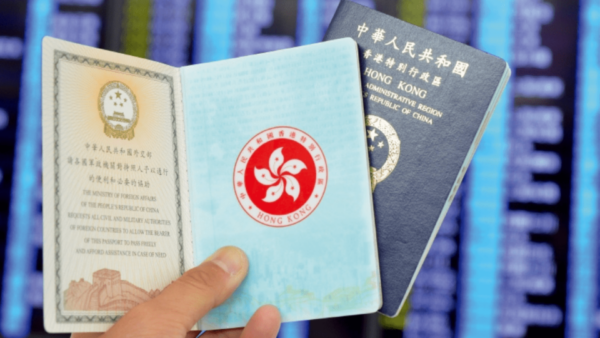
1. Quality Migrant Admission Scheme (QMAS)
QMAS aims to attract people from different fields globally to come to Hong Kong to live and settle here, and to provide job opportunities for them to come to Hong Kong. They must meet immigration criteria to be considered, including age, education, language, and work experience. Immigration points are calculated using the General points Test or the Achievement-based points Test.
Within the scope of the Scheme, the principal applicant can bring dependants on dependent visas to allow the entire family to live in Hong Kong. The documents depend on the applicant's dependents, but generally include a valid passport, academic certificates, employment certificates, language certificates, and a clear criminal record. The normal processing time is around 6 to 8 months, and the residence visa is granted for the first time for 1 year; you can apply for extensions.
This pathway perfectly suits professionals working in finance, technology, and the creative fields and aligns with Hong Kong’s strategy to recruit top talent from around the world. QMAS also allows for future transitions to permanent residency after seven years of continuous stay.
2. Top Talent Pass Scheme
The Top Talent Pass Scheme is a very important initiative targeted at attracting foreigners in high-demand sectors, such as Technology, Finance, Innovation, and Research & Development. Applicants are required to submit evidence of skills or achievements that will aid in Hong Kong's economic development. This is more industry-targeted than QMAS, and eligibility results in rapid onward progression of visa applications.
The documents required consist of proof of employment, industry certificates, educational documents, and copies of the passport. Family members can also relocate to join the primary visa holder through dependent visas, and principal visa holders are entitled to reside, work, and study in Hong Kong. This is particularly useful for startups, tech professionals, and researchers who are keen on quickly relocating to avoid lengthy job offer sponsorship processes.
3. General Employment Policy (GEP)
Skilled workers with job offers in Hong Kong can most easily enter the country with the General Employment Policy. Under the GEP, employees can be sponsored by employers who must demonstrate they will pay a local salary that is reasonable for the job's level. Employees must also demonstrate the education, experience, and skills required for the position.
The General Employment Policy visa is usually for the benefit of the sponsoring employer, which is why applicants must submit letters of employment, proof of qualifications, a letter from the employer detailing job responsibilities and salary, and a passport. GEP also allows dependents to enter the country on GEP-D dependent visas.
People who work in skilled professional fields such as accounting, information technology, healthcare, and finance are bound to benefit most. The GEP allows processing of visa applications in about 6 to 12 weeks, and as long as the employee's contract is active, the visa will not expire. The GEP also allows the primary applicant to bring dependents.
4. Investment and Capital Investment Schemes
Hong Kong provides specific immigration pathways for people interested in relocating to Hong Kong and investing substantial amounts of money. Although the Capital Investment Entrant Scheme is currently suspended, Hong Kong remains open to welcoming business investors and entrepreneurs through specific programs.
Applicants must have sufficient funds, a viable business idea, and the capacity and willingness to contribute to the economy. Holders of investor visas can establish and operate a business in Hong Kong, and the principal applicant may bring their family. Required documents are investment proof, business plan, financial documents, and passports. These visas are a step towards getting an immigration residence. After a few years of constant residence in Hong Kong, one can be granted permanent residence status.
5. Working Holiday Scheme
Just like the Sweden working holiday scheme, it invites young people (usually aged 18-30) from eligible countries to live and work in Hong Kong for up to 12 months. This program is designed for cultural exchange, short-term work placements, and travel.
Applicants must provide proof of nationality, financial capability, health insurance, and a return ticket or funds to purchase one. Even though the visa is temporary, it offers the opportunity to gain experience and explore more permanent opportunities in Hong Kong.
Visas Required to Immigrate to Hong Kong
Each immigration pathway has its associated visa type. Here’s a clear overview:
- QMAS: Residence Visa for Talents and Professionals; allows dependents.
- Top Talent Pass: Fast-tracked Employment Visa; dependents allowed.
- GEP: Employment Visa sponsored by a Hong Kong employer; includes dependent visas.
- Investor/Business Visa: Investment Visa; permits family members to accompany.
- Working Holiday Visa: Temporary visa for cultural and work purposes.
- Student Visas: For those enrolling in full-time studies, they may transition to employment visas later.
- Dependent Visas: Spouses and children of visa holders, attached to the main visa holder’s pathway.
Required Documents and Fees
Most Hong Kong immigration pathways require:
- Valid passport with at least six months’ validity.
- Completed the application form.
- Academic and professional certificates.
- Proof of financial means or employment.
- Health and police clearance certificates.
- Recent photographs.
Visa fees, which vary depending on the category, are generally HKD300 for most employment and dependent visas, while special schemes may have higher fees. Working holiday visa applicants may also have to show proof of accommodation, provide bank statements, or show business plans (investors). Processing times vary, and tend to take the longest for QMAS approvals (6-8 months). Employment and talent visas take around 6-12 weeks.
Application Process
The Hong Kong Immigration Department offers an online service for submitting applications, which is faster and more convenient than in-person submissions. Applicants must:
- Collect all of the necessary documentation in either digital form or physical copies.
- Fill in and complete the online application for the appropriate visa category.
- Pay the visa application fee applicable to the visa type.
- Send supporting documents by mail, in person at an appointment, or by courier to the Hong Kong Immigration Department.
After submission, the Immigration Department might require additional information, schedule an interview, or cross-match documents with your prospective employer (or educational institutions). You can track your submission online by using the reference number.
Some words of caution to avoid the most common pitfalls: all documents must be properly certified to avoid any cycles of misrepresentation and any bans or visa rejections that may arise. Make sure also to provide correct translations and meet any application deadlines.
Visa Processing Times
The processing times for Hong Kong visas vary depending on the immigration pathway and the type of visa applied for:
- Quality Migrant Admission Scheme (QMAS). This visa takes 6-8 months due to the points-based evaluation system and background checks.
- Top Talent Pass Scheme: Faster than QMAS, usually around 3–4 months. This visa takes less time compared to QMAS as it is given to applicants with high skills in the targeted industries.
- General Employment Policy (GEP): This visa takes 6-12 weeks due to the verification of employer documents and the need for complete documents.
- Investment/Business Visa: This visa takes 3-6 months because the financial documents, business plans, and supporting documents need to be reviewed.
- Working Holiday Visa: This visa takes 4-6 weeks for quick access to short-term employment.
- Student Visa: This takes 4-6 weeks, but additional documents may be requested, which may prolong the processing time.
The most common reason for additional delays is incomplete and incorrect applications. Therefore, applicants are encouraged to apply in advance of their desired travel date to avoid additional delays.
Visa Fees
Visa fees for Hong Kong vary according to the type and duration of the visa:
- Employment, Quality Migrant, and Top Talent Pass visas: HKD 300 to 600($38 – $76) per application.
- Dependent visas: HKD 300 ($38), typically matching the main applicant’s visa fee.
- Working Holiday Visa: Around HKD250 ($32).
- Student Visa: HKD250, depending on program and supporting documents.
- Business/Investor Visa: Fees may be higher depending on the scheme, typically HKD 300–500 ($38-$64).
Maintaining Visa Status and Extensions
Visa holders have to follow the law in Hong Kong and need to be actively working or investing. They could lose the visa or be fined. Extension applications must be submitted before the visa expires and require supporting documents when there are changes, such as a new employer, as well as proof of ongoing employment or investment. After being in the country legally for 7 years without interruption, you can start the process to apply for permanent resident status, and you would have all the same rights as a citizen.
Online Services and E-Channels
Hong Kong offers digital services to streamline immigration:
- Online visa applications and status tracking.
- E-Channel services for frequent travelers, enabling faster airport clearance.
- Email reminders for visa expiry and renewals.
These services enhance convenience, reduce processing times, and help visa holders maintain compliance efficiently.
Conclusion
Hong Kong offers diverse immigration pathways for skilled professionals, investors, students, and working holidaymakers. Each of these categories has a set of criteria to meet, documents to submit, fees to pay, and waiting times before a decision is reached. Understanding the key immigration categories and corresponding visa options, along with the detailed submission and payment instructions, ensures effective submission and hassle-free immigration for many.
Abiding by Hong Kong’s immigration procedures offers legal status, with the ability to work, study, and invest, as well as a pathway to permanent status. Utilizing official online services and staying informed about policy changes further enhances the immigration experience, making Hong Kong an accessible and attractive destination for global talent