
Investing requires careful consideration, and if you find yourself asking, ‘When is the right time to start investing?’ Then you are not alone. Many beginners hesitate because they feel they are not fully prepared, or they need a considerable sum to start investing, and some are just waiting for the perfect time. The truth is, there is no ideal time for investing, as waiting does not make the investment safer or less risky. Knowing when to start investing is more about financial readiness and your mindset. In this investing guide, we’ll talk about timing, when you can start investing, and other tips for beginners.
Does Timing Really Matter With Investing?
Yes, timing matters with investing, but not in the way most beginners think. Many beginners believe the right time to start investing is when the market is in a downturn or when the economy is stable. If you are waiting for these, you might never really begin or end up in the wrong investment, which is not something you want to start with as a beginner.
What really matters when looking for the best time to start investing is how prepared you are and the duration you’re willing to keep your money invested. So far, you are well-prepared in terms of managing debt and maintaining an emergency fund; you should not wait too long. Waiting too long to start investing can cost you years of growth.
When Can You Start Investing?
Like we’ve established earlier, starting is not really about the ups and downs of the market; it’s about you and your preparedness. You can start investing when you have the following:

1. Knowledge of Investing
This is a great place to start if you’re interested in investing. Knowing what investing entails to an extent is a key tool in making informed investment decisions. Know that you don’t have to be an investment expert to get started, but you must at least understand the basics of investing.
You should be familiar with basic investment terms, such as the stock market, exchange-traded funds, bonds, and mutual funds, as well as understand how diversification reduces risk. Additionally, it is essential to understand your risk tolerance, the distinction between short-term and long-term trading, and other key terms.
Without having a foundational knowledge, investing can seem like gambling with your money. You can start by reading investment books for beginners to become familiar with the world of investing. With the proper knowledge, you can make informed investment decisions that align with your financial goals with confidence.
2. A Stable Means of Income
Investing works best with consistency, and to get into investing, you need to have a stable income. With a steady paycheck or other means of income, it is easier to set aside a certain amount for investment. Stability does not necessarily mean having a huge salary, but rather how well you can manage your salary without financial stress. With the right knowledge about money, and the right attitude towards money, you can grow your money over time by investing.
3. An Emergency Fund in Place
Financial safety is a must-have if you start investing. Without an emergency fund, many investors are forced to sell their investment when something unexpected happens, such as losing a job or facing medical expenses. If an emergency fund worth 3-6 months’ living expenses is in place, it will serve as an option to fall back on during an emergency rather than selling your investment prematurely. Having this fund ensures your investment can grow undisturbed.
4. A manageable Debt
Being in debt does not mean giving up on your investment hopes. The question is what type of debt do you owe, and how well are you managing your debt? You can’t start investing if you are drowning in high-interest debt. Before investing, your focus should be on reducing or clearing your debt.
The reason why paying your debt first should be your focus is that your debt cancels out your investment returns, which means you are not really investing since there’s no gain to show for it. If you, however, have low or manageable debt, you can start investing while repaying it. You only need to be firm with your personal budgeting plan so you don’t fall short on investing and repaying your debt.
5. A clear Investment Goal
Don’t start investing without a clear investment goal. You don’t want to jump on popular investments because they are popular, as investing without a clear goal can be frustrating. Likewise, you don’t have to have a complicated investment goal before getting started.
Your goal might be to invest in retirement, your child’s education, a new house, or long-term wealth. Having this goal will help you determine the best investment vehicle to pursue or whether to do short-term or long-term investing. Additionally, a clear investing goal also gives you the motivation you need during market downturns.
How to Go About Investing as a Beginner
1. Know Your Risk Tolerance
Knowing your risk tolerance is one of the investing tips you should not ignore. You need to understand the comfort risk associated with investing your money. Some don’t mind the volatile market and high-risk investments, such as cryptocurrencies and penny stocks, while others panic at the thought of losing their money in an investment.
Knowing where you stand helps you determine which investment option to lean towards and whether you should opt for safer options, such as bonds and index funds. Additionally, if you aim for long-term wealth, you may lean toward a long-term investment portfolio.
2. Consult a Financial Advisor
This should be a natural step to take if you are unsure about when to start investing. Having a one-on-one meeting with a financial advisor is one of the best investment strategies that can provide you with the clarity you need. A financial advisor can help assess your finances and develop an investment approach that suits your income and risk tolerance.
3. Start Small and Invest Regularly
It is important that you debunk the notion of needing a huge amount to invest. You don’t need a certain amount to start your investment journey. In fact, many platform allows a $0 account minimum, so you see, you don’t need millions to start.
The secret to starting small is consistency. Set aside a fixed amount to make regular contributions to your investment account and take advantage of dollar-cost averaging. Doing this will help you build a healthy investment habit.
Also know that investing is not a one-time thing. You can automate your investment process to avoid forgetting. This can be done by linking your bank account to your investment accounts. You can do a weekly, bi-weekly, or monthly contribution to your investment account, depending on your income.
4. Invest as Early as You Can
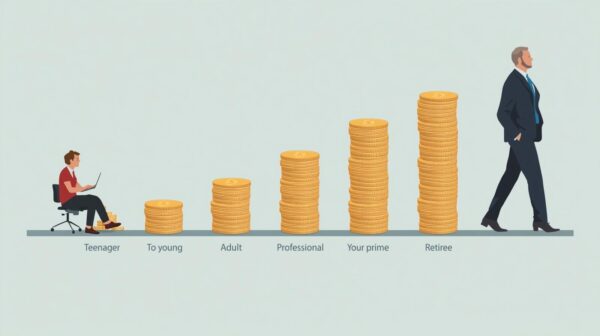
One thing about investing is that the earlier you start, the better, thanks to the power of compound interest. Likewise, the earlier you put your finances in order, the earlier you can begin investing. You should know that even the smallest amount of money you put into an investment can grow significantly over decades.
For instance, investing $50 in your 20s can accumulate over time, leaving you with more than just a retirement fund, far more than someone investing $200 a month in their 40s. This is a great set of personal finance tips for young professionals who want to build long-term wealth.
5. Choose an Account Type
Where you put your money matters, and it is most often dependent on your financial goals. It could be a brokerage account, a retirement account such as a Roth IRA or 401(k), or even a custodial account for children and teenagers. Each account type offers different benefits and tax advantages. So, you can go for what works for you. If you are opening a brokerage account, you can opt for one with zero or low minimum investment requirements.
6. Select the Right Investments That Suit You
With your knowledge of investing and the understanding of your goals and risk tolerance, you can pick the right investment. Whether stocks, mutual funds, or bonds, all of these factors affect the type of investment you put your money into.
Let’s say you plan to save for a Master’s degree in 2-3 years. You might want to consider a safer investment with high liquidity, such as a high-yield savings account or a short-term bond, rather than investments with high market risk. However, if you’re investing for retirement that is decades away, you can opt for long-term investments, such as stocks and index funds.
7. Fund Your Account and Start Investing
This is actually what most people look forward to. In all honesty, putting your money to work is exciting, and once you’ve opened the account of your choice, you can fund it and start investing in your preferred asset. You may feel unsure at first, but it’s a crucial step in getting started. You can start with weekly investments, monthly investments, or any other schedule that works for you.
8. Have a Diversified Investment Portfolio
Portfolio diversification can’t be overemphasised when it comes to investing. It’s important not to put your eggs in one basket; this means you don’t have to focus on individual investments. Diversification simply means separating your money across different assets such as stocks, ETFs, bonds, real estate, and others. That way, if one investment does not perform well, other assets can offset it, thereby reducing your overall risk.
As a beginner, you don’t have to diversify by buying stock separately, buying bonds separately, or buying other assets separately. With a broad-market index fund or a mix of stock and bond ETFs, you can have all of this in one place, over time. As your knowledge of investing grows, you can start investing in other asset classes.
9. Review Your Investment Periodically
As mentioned earlier, investing is not a one-time thing. It’s not something you set and forget about. While you don’t want to constantly monitor your account every day, it’s a good habit to check it periodically. Let’s say every 6 to 12 months.
Your stance on investing may change over time, and by periodically reviewing your investments, you can identify any necessary adjustments. For instance, if you started investing based on a short-term goal, but feel you want to do more with your investment, a review can help you adjust your asset allocation. Likewise, reviewing also keeps you updated with market trends, tax implications, and new opportunities that could strengthen your strategy.
Conclusion
So, when can you start investing? You can start investing the moment you say yes to these conditions. From knowing about investing to having financial stability and a clear reason for investing, you’re good to go. The point is, once you have a solid financial foundation, you don’t have to sweat about investing. Just start!
