
Economics and personal finance are terms that pop up when money is discussed. Both terms are interrelated and play a vital role in the way people see money. Every time you interact with money, whether by saving, spending, or investing, you’re dealing with more than just numbers. You’re dealing with a bigger factor, such as making choices. This is why understanding economics and personal finance is important.
Economics helps us break down what we need to know about resource allocation, why prices rise, why jobs pay differently, and how global events affect our finances. Personal finances, on the other hand, focus on what we do with our money. We will explore everything you need to know about economics and personal finance, and the role they plat in your finances.
What is Economics?
When people hear the word economics, they often imagine charts, equations, or even government policies. While that might be partially true, Economics can be as simple as choices. Economics is the study of how people, businesses, and even the government use limited resources to satisfy unlimited wants.
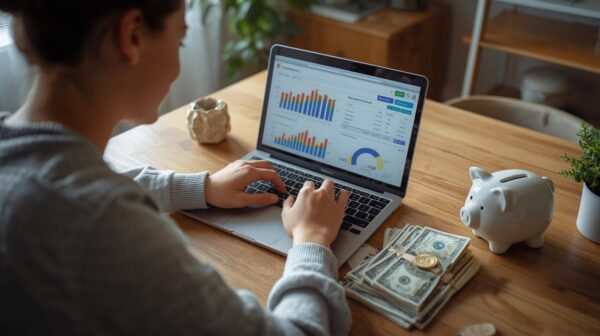
Likewise, economics is a social science that helps us understand how the economy works. Every time you decide to buy a fancy bag, pay for a gym membership, buy a car, or pay for rent, you’re actively practising economics. There are two key areas of economics, and they include:
1. Macroeconomics
From the term “macro,” we can deduce that macroeconomics refers to something big. Macroeconomics is a key area of economics that focuses on everything about the economy. This includes inflation, unemployment, national income, government policies, and gross domestic product (GDP).
When you hear in the news that the interest rates of products or services are going up, then that’s macroeconomics at work. With this branch of economics, we can track GDP, interest rates, and every other thing about the economy.
2. Microeconomics
Microeconomics is quite different from macroeconomics in that it focuses more on the behaviour of individuals, households, and firms. Unlike macroeconomics, which focuses on economy-wide issues, microeconomics is more personal. It covers how their decisions about resource allocation of limited resources affect the supply and demand of specific markets.
This area of economics also focuses on production costs, scarcity, consumer choice, and market structure. Microeconomics explains why a store might lower its prices just to attract more buyers and sell its goods faster. It also explains why you, as an individual, will prefer a brand over another. Most importantly, microeconomics is the study of everyday economic behaviour at a personal or business level.
Importance of Economics
So why does Economics matter? Why do we have to know about it? It’s important to know that economics is not just for policymakers, country leaders, or financial experts; economics affects our day-to-day activities. By understanding economics, you can make smarter financial decisions while you build financial stability. Economics also shapes the job market, the value of your money, and even the prices of goods and services we purchase.
What is Personal Finance?
Every day you make many money-related decisions either as an individual or as a household. This includes personal budgeting, mortgage planning, savings, retirement planning, and so on; that’s exactly what personal finance is. In simple terms, personal finance can be defined as all aspects of an individual’s money management to meet both present needs and future goals.
Unlike economics, which focuses on everything relating to the economy and how it affects us, personal finance deals with our everyday lives. It’s more like a practical application of money management that helps you take control of your finances.
Personal finance focuses on 5 major areas, which are:
1. Earnings
Earnings, which can also be referred to as income, are where personal finance starts. This is because you can’t manage the money you don’t have. Your earnings in the net amount of income that you get in a month or within a year. It includes cash inflow from salary, business, freelancing, and passive income.
Your income is what is allocated to your expenses, savings, investments, and anything pertaining to money. Understanding your earning power is important in personal finance as it helps you plan your needs and financial goals better. This is also where economics comes in: shifts in the job market, inflation, or government policies can directly impact how much you earn and what your paycheck is really worth.
2. Spending
If earning is an inflow of cash, then spending is an outflow of cash. Spending is an integral part of personal finance that can’t be avoided, nor should it be overlooked. This aspect of personal finance is where a lot of people struggle, especially when it has to do with keeping their spending habits in check.
Spending involves every penny you spend, from your needs (rent, groceries, utilities) and wants (entertainment, eating out, going on vacation) to savings and unexpected expenses. When it comes to personal finance, being intentional about your spending habits is important. This is why you should adopt personal budgeting to save money and avoid debt while toning down your spending.
3. Saving
While some people keep their savings first, others rely on what is left after spending. Regardless of the options, saving is about creating financial security and preparing for either short-term or long-term goals. Saving is great for building good personal finance as it can help in building emergency funds, retirement planning, mortgage payments, and others.
Saving might not be all that convenient, but it’s something every individual should engage in. A minimum of 20% of your net income is recommended; you can also do more. The goal is to stay consistent with your savings as it adds up over time. Economics plays a role in this area of personal finance, especially inflation. During inflation, the value of money generally reduces, and that’s where you need smart money-saving strategies.
4. Investing
Consider investing as making your money work for you. Instead of setting money aside, you can look for the best ways to invest your savings. Investing involves putting your money into assets like stocks, bonds, real estate, ETFs, gold, mutual funds, or even starting a business.
Investment does come with risk, and you have to understand your risk tolerance to get started. Likewise, you need to understand investing concepts like risk vs return as well as how economic factors like supply and demand affect your investments.
5. Protecting
Protecting means safeguarding, to keep something safe, and in personal finance, protecting means safeguarding yourself from unexpected financial setbacks. Setbacks happen, and most times it’s something we can’t prevent from happening. But when setbacks occur, you should be prepared.
Protection involves having insurance, whether health, life, or property insurance. It also involves having an emergency fund, and even planning your estate will. Without financial protection, one accident, illness, job loss, or financial crisis can take away everything you’ve worked for.
Importance of Personal Finance
Why personal finance? Personal finance is important in so many areas, as it’s about your financial decisions. The strength of your personal finances directly affects your ability to live comfortably, achieve goals, and even prepare for unexpected events.
With good personal finance habits like budgeting, saving, and investing, you can grow your money, avoid debt traps, and stay financially secure. Without a good personal finance habit, you might find yourself living from paycheck to paycheck, which could lead to financial stress.
What’s the Connection Between Economics and Personal Finance
Economics and personal finance are interwoven, and they play a big role in an individual’s financial wellness. Here’s how they are connected:
1. Scarcity and Choices
Economics and personal finance connect strongly through the idea of scarcity and choices. In economics, scarcity means that resources are limited, so individuals, businesses, and governments must decide how best to use them.
Personal finance also works with the same rule in the sense that you have to make a choice between what’s important and what’s not. For instance, in a situation where you are short on money and you have to choose between groceries for a week and a streaming subscription, you know what to choose. That right there is how scarcity and choices apply to personal finance.
2. Income and Employment
Labor markets, wages, and productivity are a big part of economics, which links perfectly well to personal finance. On a personal level, all of these key areas of economics affect the earning ability of an individual. Economic factors like recession, unemployment rates, and demand for certain skills can influence your earning potential. In case of economic recession, companies might have no choice but to downsize, which increases unemployment rates and finances. Likewise, a demand for certain skills can result in an increased employment rate. Recognizing these economic trends can guide your choice and financial planning.
3. Inflation
Although inflation leans towards economics, it affect personal finance. An increase in inflation can affect the purchasing power of an individual or household. This is because inflation affects many things, including an increase in the price of products and services. Being aware of economic shifts helps you plan your personal finances accordingly.
4. Markets and Investments
Economics explains how markets function, from supply and demand to risk and returns. Likewise, economics plays a role in personal finance for investors as it helps in understanding how government policies and other economic factors affect business conditions, stock markets, and other investment vehicles. Economic knowledge helps you plan your investment strategically, like when to invest in stocks, bonds, real estate, and others. The more knowledge you have about the financial market, the more confident you are about your investments.
Conclusion
Bringing it back to what is economic and personal finance. The connection is clear. While economics gives you an understanding of the effect of economic factors like inflation and economic growth on your money, personal finance equips you with the tools to manage these economic factors wisely. All you need to do is know how economics affects your personal finances and maximize economic growth to your financial advantage.
